Pay in installments of $5.99 with
 ,
,
 and
and

Shipping Estimate
USA
- USA
- CAN
- USA
- CAN
Ships within 48 hours · Estimated delivery Jun 29 - Jul 4
 Promo Codes Available:
For Your Every Summer RSVP, with Code: SUMMER15
Description
anthurium lineolatum Anthurium lineolatum – Ribbed Leathery LeavesAnthurium lineolatum Rare Aroid with Fine Veined Foliage Anthurium lineolatum brings an elegant, almost ethereal aesthetic to any indoor space. Native to the humid forests of northwestern Ecuador, this rare species is known for its elongated, lance shaped leaves that look hand painted with delicate, linear veins. When new leaves unfurl, they appear paper thin and semi translucent, giving the plant a dramatic, sculptural presence. It stays relatively
Anthurium lineolatum – Rare Aroid with Fine-Veined Foliage
Anthurium lineolatum brings an elegant, almost ethereal aesthetic to any indoor space. Native to the humid forests of northwestern Ecuador, this rare species is known for its elongated, lance-shaped leaves that look hand-painted with delicate, linear veins. When new leaves unfurl, they appear paper-thin and semi-translucent, giving the plant a dramatic, sculptural presence. It stays relatively compact and has a refined, upright growth pattern, making it a beautiful yet space-conscious option for serious collectors and tropical plant lovers.
Visual Traits and Special Features of Anthurium lineolatum
- Leaf Shape: Narrow, lanceolate blades with cordate bases
- Veining: Thin, brushstroke-like veins across pale to mid-green leaves
- Texture: Smooth, matte surface with a delicate structure
- Habit: Upright and compact with a tidy, architectural profile
Key Facts and Growth Info for Anthurium lineolatum
This species is found in low to mid-altitude humid forests of Ecuador, where it grows as an understory plant. These regions are warm year-round, with frequent rainfall and high ambient humidity. Anthurium lineolatum tends to grow terrestrially or epiphytically, adapting to shady and consistently moist environments.
- Natural Habitat: Moist tropical forests of northwestern Ecuador
- Indoor Size: Typically reaches 30 – 60 cm tall with a similar spread
- Growth Rate: Moderate, with steady leaf production under the right care
- Toxicity: Toxic to pets and humans if ingested (contains calcium oxalate)
Anthurium lineolatum Houseplant Care Tips
- Light: Bright, indirect light is ideal; avoid harsh direct sun
- Water: Let the top 2 – 3 cm of substrate dry slightly between waterings
- Humidity: Prefers high humidity levels (60 – 80%) for optimal leaf health
- Temperature: Thrives between 18 – 26 °C; keep away from cold drafts
- Soil: Use a loose, airy mix with orchid bark, coco coir, and perlite
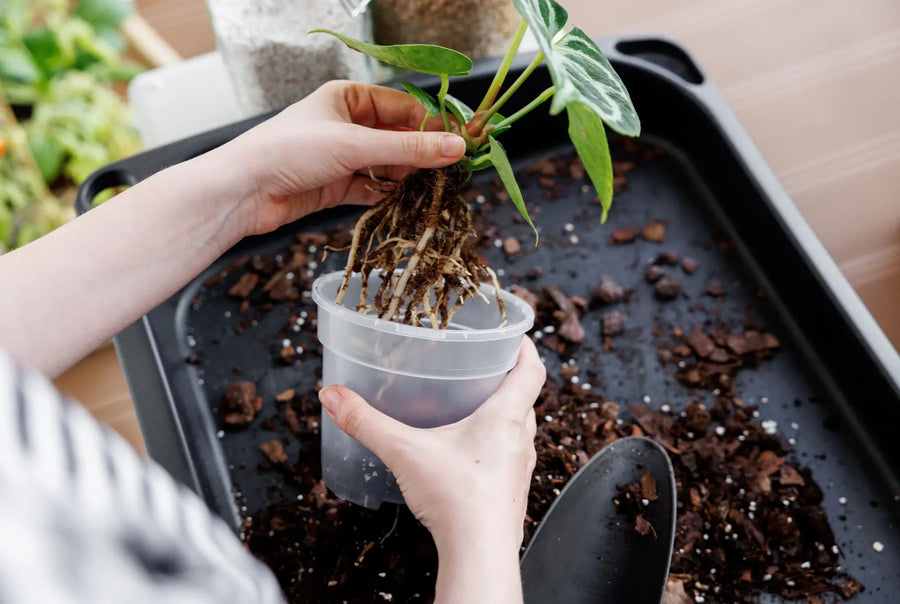
- Repotting: Every 1 – 2 years or when roots outgrow the pot
- Fertilizing: Use a diluted, phosphorus-rich fertilizer monthly
- Propagation: Best via stem divisions or offshoots if available
- Hydroponics: Can transition to semi-hydro using inert substrate
- Pruning: Trim damaged or older leaves to maintain appearance
Common Problems and Fixes for Anthurium lineolatum
- Pests: Check regularly for spider mites or mealybugs; treat early with neem or insecticidal soap
- Yellow Leaves: Usually caused by overwatering or low light – adjust care accordingly
- Root Rot: Prevent by using well-draining mix and allowing air to reach roots
Extra Notes for Successful Cultivation
Support is generally not necessary due to its upright growth. Mimicking the shaded, humid environment of its Ecuadorian origins will help the plant thrive. Paying attention to moisture balance and airflow is key for healthy development over time.
Name Origin and Taxonomy of Anthurium lineolatum
The genus name “Anthurium” comes from Greek “anthos” meaning flower and “oura” meaning tail – referring to the long spadix structure. The species name “lineolatum” means “lined” or “with fine lines,” referencing the plant’s unique veining. This species was described by Luis Sodiro in 1905.
Shipping Notes
- Free Standard Shipping on $100+ Orders to the USA.
- Except Preorder products are shipped in 48 hours.
- Delivery to the USA:
- Standard Shipping : 3-10 business days
- If time is of the essence, please consider selecting expedited delivery for faster service.
Exchange/Return Notes
- We offer a 30-day return/exchange service after receiving.
- Final sale items are not eligible for returns or exchanges.
- To process your return/exchange, please contact us at [email protected]
- Please click here for more details>>> Return & Exchange Policy